
Friendship First: Why It Matters More Than Relationship Status

I’m nobody without somebody. Numerous people, including teens, assume something’s wrong with them if they aren’t dating. They believe their identity comes from being in a relationship with someone, anyone. They’re willing to date anyone just so they aren’t alone. Someone noticing them proves to others—and themselves—that they have worth. They’re more enamored with being in a relationship than having a healthy connection that starts with friendship. Instead of evaluating the pros and cons of being with a particular person, they’re caught up in the excitement of the relationship status.

Some teenagers move quickly once they find a boyfriend or girlfriend. Their hormones light up, and the rational portion of their brain disappears. Before you know it, they’re running through all the bases and getting entangled in each other’s lives. Unfortunately, some parents don’t understand how detrimental this can be to a teen’s emotional, mental, and physical health. Not to mention the relational fallout with friends, family, and future partners. Parents may even encourage a child to stick with the relationship, believing it’s better for them to be attached than unattached.

If a partnership moves too quickly, however, it’s more difficult to dissolve than if the couple had stepped lightly into the relationship and progressed at a slower pace. That’s what we want to help our children understand. Moving slowly and starting with friendship helps them determine compatibility. The end goal is a healthy, mature relationship moving forward, hopefully toward marriage. We don’t want our children to date just to date or hook up just to hook up. We hope they ultimately marry a person who is compassionate, loving, kind, and healthy. Which means they need to look for these characteristics at the beginning of the relationship.

Teaching teens to date with intention — not just to avoid being alone — starts with one thing: friendship. Here's how to help your teen build healthy relationship habits early. Friendship First: Why It Matters More Than Relationship… Share on X

In his book, Relationship Goals, Michael Todd says, “If he’s not mateable, he’s not dateable. That simply means, if you wouldn’t marry the person, don’t go out with him.” (p. 72) Todd recommends intentional dating, which starts with intentional friendship.

The Friend Zone Reframed

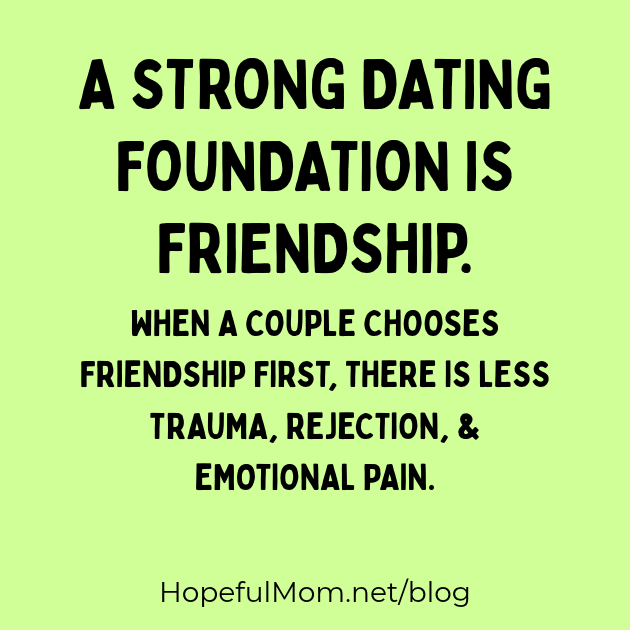
A strong foundation in any relationship is friendship. Todd suggests taking ninety days to get to know each other without pressure, possibly with a trusted married couple to guide you in the process. If at the end of ninety days, either person feels reluctant to continue, it’s easier to walk away. There is less chance of trauma, rejection, and emotional pain.

Let me pause here to address a question you may be asking. What if my child is 13+ years old and they aren’t ready for marriage? During this stage of life, they should discover themselves, figure out what type of person they’re interested in, and get to know different people while they wait until they’re old enough and mature enough to handle a dating relationship. This is the time for them to decide the characteristics and hobbies they’d like their eventual spouse to possess. This is also the time to focus on forming healthy friendships and discern what healthy versus unhealthy relationships look like.
Focused Conversations

During the initial phase of dating, Todd suggests having focused conversations. The objective is to ascertain if two people dating are ideal for each other—if they want to spend forever together.

According to Todd, focused conversations “help you get to know each other and start sensing if you’re right for each other.” (Relationship Goals, p. 77) Some things to look for during these conversations:

Boundaries

While getting to know each other, set and communicate boundaries. For example:

  • Set a curfew
  • Set a physical touch boundary
  • Set screen time limits
  • Set area limits (i.e. no bedrooms)

In a healthy relationship, both parties respect and maintain the other person’s boundaries. If boundaries are pushed or broken, proceed with caution or break it off.

Let Friendship Lead

By laying a foundation of friendship, relationships have a better chance of fizzling quietly or flourishing.

Hopefully, our children aren’t in a hurry to date. We can remind them of their worth and the benefits of spending time with friends and pursuing goals now. There will be plenty of time in the future to think about dating and a potential spouse.

Have you subscribed to Hopeful Mom? If not, be sure to subscribe below for two FREE downloadable PDFs. Share Hopeful Mom with others, pick up a copy of Sexpectations, and send me your questions.

4 Golden Nuggets for Hurting Parents

Dena Yohe is with us again to give hurting parents some advice. I am so grateful to call her friend. Dena walked through struggles with her daughter when she was a teen and now helps other parents who find themselves in the same position. She and her husband run support groups and have authored several books, including Dena’s latest book, Strength for the Brokenhearted: A 31 Day Devotional for Hurting Parents. She has some golden nuggets for us.

When we began our journey of parenting a troubled child, my husband and I were clueless. An endless amount of information was available on how to raise great kids, but we found little help when it came to dealing with more serious issues. We needed help because we had no idea what to do. Similar to panning for gold in a river, we found some valuable insights over the years. Here are four golden nuggets we discovered.

Continue reading “4 Golden Nuggets for Hurting Parents”

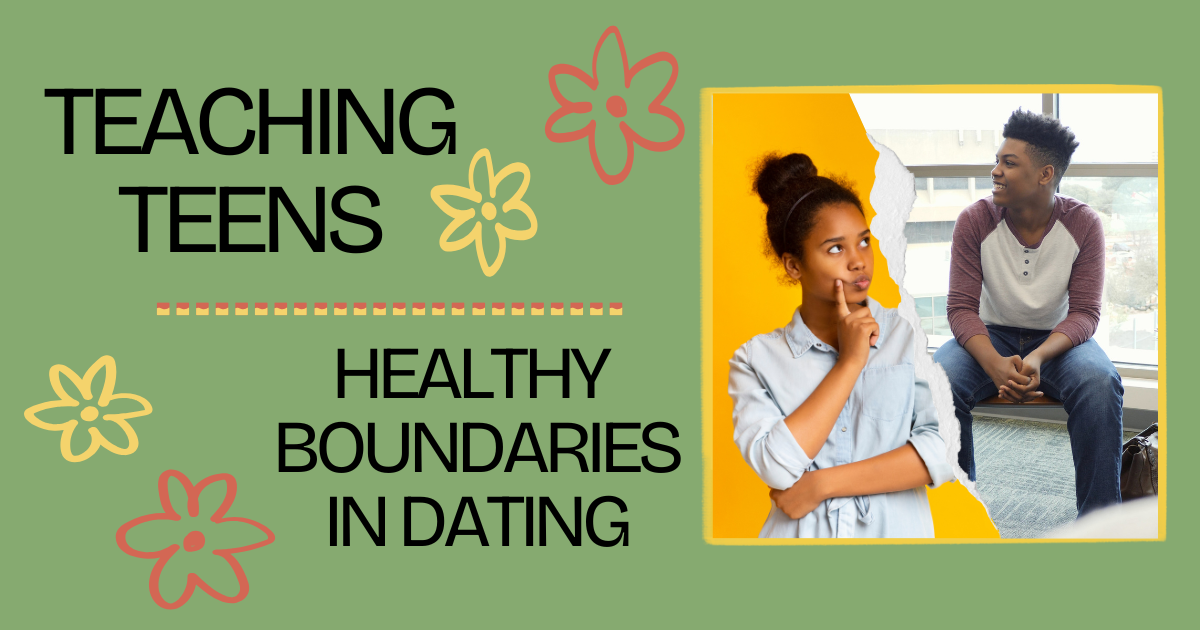
Teaching Teens Healthy Boundaries in Dating

“Will you go with me?” the boy asked. I was in fifth grade and didn’t recognize the phrase used at the time to ask someone to be his girlfriend. (Think 1980s.)

Wide-eyed, I said, “Go where?”

As his real question dawned on me, I regretted my reactionary response but was too shy to backpedal and say, “Yes.”

This interaction started my dating era.

Continue reading “Teaching Teens Healthy Boundaries in Dating”

5 Digital Safety Traditions to Nurture Family Joy and Peace This Holiday Season

I’m thrilled to welcome Julia Daniels of Ever Accountable back to Hopeful Mom. Julia lists some practical digital safety tips for us this holiday season. Check out Ever Accountable and use this link for 20% off.

Who can forget the iconic scenes in Home Alone when young Kevin finds himself all alone in the house while the rest of the family is traveling internationally for Christmas? He’s only eight – vulnerable, mischievous, and obviously relishing zero adult supervision. 

When Kevin’s mom suddenly realizes her young son is not on the plane with the family, I feel her wide-eyed panic in the pit of my stomach (Every. Single. Year.) as she exclaims, “KEVINNN!”

Meanwhile Kevin’s reckless enjoyment of his freedom (and sheer ingenuity) while he’s home alone reminds us all why kids need parents! 

In the midst of the holiday bustle, our children can quietly become “home alone” in their own secret digital lives. But the online dangers that lurk are far more serious and subtle than the larger-than-life robbery heist Kevin thwarted.  

Continue reading “5 Digital Safety Traditions to Nurture Family Joy and Peace This Holiday Season”

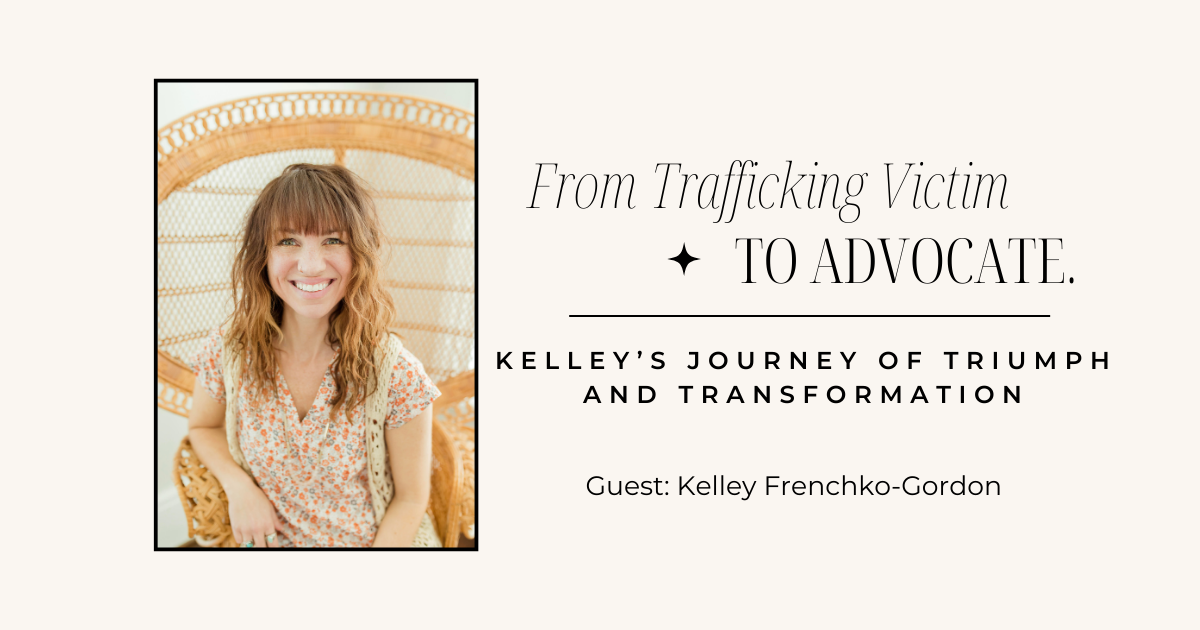
From Trafficking Victim to Advocate: Kelley’s Journey of Triumph and Transformation

Trafficking Victim, Kelley Frenchko-Gordon

When I first met Kelley, her smile and energetic disposition lit up the room. I would not have guessed her past. Her enthusiasm and zeal for life is contagious and inspiring. I’m certain you’ll find her message insightful. practical and full of hope.

It’s safe to say we are living in strange times, and sanity of mind is a hard thing to come by these days. Up is down, left is right, evil is good, good is evil, and we’re just trapped in the whirlwind of it all. But I’ll begin by posing this question: are we actually trapped or were we intentionally placed here for such a time as this? To speak truth louder than the lies and to shine forth a light in the darkness. To shake things up. To disturb things. To flip some tables. To raise up a generation who will not be silenced. A generation who will lead in boldness and power, authenticity and humility. A generation built by confrontation, having learned to stand in the face of opposition and fear. I believe wholeheartedly that we are called to just that, and if you’re reading this, I’ve got a feeling you do too.

Continue reading “From Trafficking Victim to Advocate: Kelley’s Journey of Triumph and Transformation”

Scrolling by Example

phone Ashley Jameson Pure Desire Ministries Scrolling by Example

I met Ashley Jameson at the Sexual Integrity Leadership Summit a few months ago. She’s energetic and passionate about helping spouses through her role at Pure Desire Ministries and at her church. She’s making an impact. I asked Ashley what advice she has for parents and she sent this post on healthy phone use, first published here. I love her authenticity and desire to pass on some words of wisdom to other parents.

I have a secret hiding place, between my fridge and cabinet, where I can sneak on my phone and not be seen by my kids or husband. You may be asking yourself, “Why does this grown woman to hide from her husband and kids?” 

Continue reading “Scrolling by Example”

6 Principles of Teaching Boundaries and Consent

Chris Yadon Saprea guest post Boundaries and Consent

Consent and boundaries continue to be a hot topic. And, sadly, most people don’t understand the definition of consent much less how to ask for it. So when I heard Chris Yadon of Saprea present on this topic at the CESE Summit, I knew his message was for us. Thank you, Chris, for this timely message.

Nothing will get the hair to stand up on the back of your neck more than when you feel your child is threatened. When my oldest daughter was a sophomore in high school, I remember her coming home and relating that a boy kept hugging her despite her making it clear that she did not want him to. My initial instinct was to immediately intervene, but then I remembered that, in this case, I had the opportunity to reinforce boundaries and consent – principles I had been teaching her for many years. I asked her if she wanted me to intervene or if she would like to try one more time to set and hold a boundary. She elected to do the latter and once more communicated her boundary to this boy. He knew she was serious, and he respected the boundary knowing he needed her consent to hug her.

Continue reading “6 Principles of Teaching Boundaries and Consent”

Not My Kid – Online Safety

Jen Hoey Not My Kid Online Safety computer

It’s a privilege to have Jen Hoey of Not My Kid here to talk with us about protecting children online. This is an appropriate topic as we head into the holiday season. If you are contemplating purchasing a device for your child for Christmas, pay special attention to Jen’s suggestions and read to the end for my recommendations on a first phone and filters.

“I did not for a moment think something like this could ever happen to my child. But it did, despite my vigilance.” This is the opening paragraph of the book I wrote about my daughter’s experience with an online predator. This event changed the trajectory of my life and was the catalyst for me getting involved in the prevention of online child exploitation by empowering parents through education as a Cyber Safety Parent Consultant. 

The issue of online safety raises many responses from parents, but the most frequent I hear is “not my kid” or “my child will be left out.”

Continue reading “Not My Kid – Online Safety”

Understanding Triggers in Pornography Use

“Why did you make this decision? And why do you keep going back when you know it’s harmful?” Most parents ask these questions when learning about a child’s indiscretions or habitual behavior. We are trying to discern their triggers.

In a previous post, we defined triggers as “anything, as an act or event, that serves as a stimulus and initiates or precipitates a reaction or series of reactions.”[i] In other words, a trigger is an outside stimulus that activates internal turmoil. In that post, we explored triggers parents face after learning of a child’s struggle with pornography.

In this post, we’ll examine the user’s triggers—to watch pornography or run to any type of vice or behavior to seek immediate comfort.

Continue reading “Understanding Triggers in Pornography Use”

5 Keys to Parenting in a Pornified World

I recently finished reading The Freedom Fight and was impressed with how the author, Ted Shimer, addresses pornography addiction. The Freedom Fight has developed a thorough program for addressing the issue. I highly recommend reading the extensive book and perusing their website. I was so excited that Andrew, Director of Coaching and Onboarding, agreed to write a post for Difficult Conversations. But I was ecstatic when he offered to also give a book to one of our readers. Be sure to read to the end of the post to find out how you can enter the drawing to win a book.

When speaking with parents, there are two groups I interact with most: parents who have caught their kids watching porn and parents who don’t know their kids are secretly watching it. In today’s world, it is easier for an eleven-year-old with a smartphone to access porn lying in bed than to get a glass of water because getting a glass of water requires them to get out of bed. The reality is porn is pervasive, destructive, and addictive. We, as parents, need to be intentional about having ongoing conversations because if we don’t, the world is happy to fill in the blanks for our kid’s questions.

Continue reading “5 Keys to Parenting in a Pornified World”