


Sex trafficking doesn’t typically start with kidnapping. It starts with grooming. Predators build trust first. They use affection, attention, and manipulation to slowly convince preteens and teens that abuse is love, secrecy is normal, and speaking up will ruin lives.
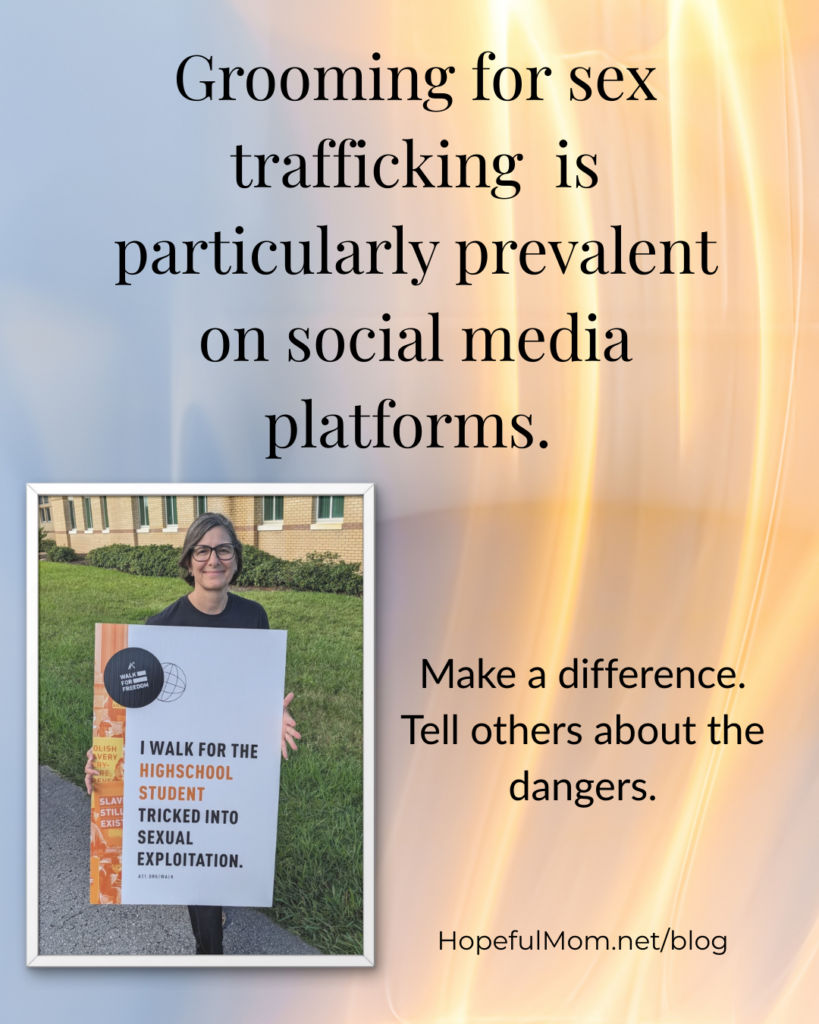
Grooming for sex trafficking happens in person and online and is particularly prevalent on social media platforms. Pornography and sex trafficking are intertwined, so we must discuss signs and grooming techniques with our children.
I recently watched a reel on journalist Lori Fullbright’s Instagram that clearly explains how predators groom their victims. You can watch the reel here. The following transcript reveals phrases predators use to manipulate, isolate, and control children before trafficking begins.
Predators begin with affection and niceties. Once a victim is hooked, they bump the conversation up a notch. Then another. Victims then believe it's their fault. #humantraffickingawareness How Predators Groom Kids for Sex Trafficking… Share on X10 Common Things Predators Say When They Groom Victims
- 1 – You’re so special. You’re so unique.
- 2 – You’re more mature than other kids your age.
- 3 – I really feel like I know you better than your parents do. Your parents don’t understand and appreciate you. And they don’t realize how mature you are.
- 4 – I really like you. I miss you when you’re not around. (For example, a schoolteacher may text a student through Instagram stating, I miss you when you’re not in my class. You’re my favorite student. I really like you.’)
- 5 – I love you.
- 6 – It’s okay. This relationship is okay because we’re different. You’re special, and I’m special. It’s not like all the other relationships that we hear about between adults and children.
- 7 – I really want to teach you things. I want to show you things. It will help you someday when you are married or have your own girlfriend/boyfriend.
- 8 – Please send me a picture of this. I’ll send you a picture. It’s just us. It’s just private. (This is the step where they are moving into some kind of action.)
- 9 – You’ll get in trouble. If anyone finds out about this relationship, you’ll get in trouble.
- 10 – You will disrupt lives. Your family will be mad at you. DHS will take away your siblings. It’ll break up your family, but you’ll be the one who’s responsible for all that.”
Notice that predators begin with affection and niceties. Once a victim is hooked, they bump the conversation up a notch. Then another and another. At steps nine and ten, perpetrators convince victims it will be their fault if their mother is mad or their family is torn apart. Predators keep victims from telling anyone by blaming the victim and basically asking, “Do you want that on your conscience?”
Fullbright ends her reel by saying we should explain these steps to preteens and teens. If a teacher, youth pastor, etc. messages them offline, it’s a red flag. Inform your children what to do when these situations arise.
SEX TRAFFICKING
As a foster parent and school resource officer, Officer Gomez has learned a great deal about sex trafficking. One of his posts about grooming for sex trafficking stuck with me. The following is a synopsis. (Follow Officer Gomez on Facebook or Instagram).
How Girls Are Targeted
- Snapchat. “Snapchat is full of people waiting to sex traffic your children.” Teen and young adult drug dealers desensitize young females by offering discounted prices if they send nudes or participate in certain sex acts. “This is grooming kids to be sex trafficked and it begins with 7th and 8th grade girls that are trading nudes for drugs, cell phones, alcohol, car rides, and much more.”
- Runaways. Young females (15-18 years old) who don’t get along with their parents start couch surfing. These runaways trade sex for a place to live. An endless number of men gladly house a young girl in exchange for sex. Officer Gomez has talked with several girls surviving without parents in this manner.
- TikTok. “TikTok might be the granddaddy of grooming young girls to be sex trafficked.” Strangers offer girls money for pictures and videos. Officer Gomez knows girls who make a substantial amount of money selling pictures online. While not trafficking per se, it’s a grooming tool for future trafficking.
- Pornography. Officer Gomez has received phone calls from frantic parents attempting to stop their daughters from flying somewhere (usually California or Florida) to make pornographic videos for money. The “employer” pays a substantial amount of cash for the first video. After that, they pay with a mix of drugs and other services. This is trafficking.
- OnlyFans. OnlyFans, a subscription-based social media platform known for its adult content, is a gateway into the pornography industry.
- Prostitution. “Social media apps make it easy for girls and boys to offer sex for money.” Many high schoolers sell themselves for sex.
How Boys Are Targeted
- Nudes. Predators send nude photos of a pretty girl and ask for photos in return. Once the boy returns a photo, sextortion and possibly sex trafficking begins. Some boys are locked into these demands for years before telling.
- Groomed to be traffickers. Officer Gomez has had many conversations with boys who obtained nude photos of their classmates. They then use the photos as bargaining chips for dates, drugs, money, and other things.
EDUCATE
Both Lori Fullbright and Officer Gomez name education as the main solution to this problem. Parents and students need educated on these and other topics to reduce sex trafficking in our neighborhoods.
Open, honest, ongoing conversations are imperative. Ask your children and grandchildren if they understand grooming, sex trafficking, and how predators draw victims in. Let them know these may be people they know in person or meet online. They appear friendly and caring but ultimately harm children, as their objective is to make money.
For more information on trafficking, see these posts: Porn Fuels Human Trafficking, Is My Child at Risk for Online Grooming?, and Human Trafficking Awareness.
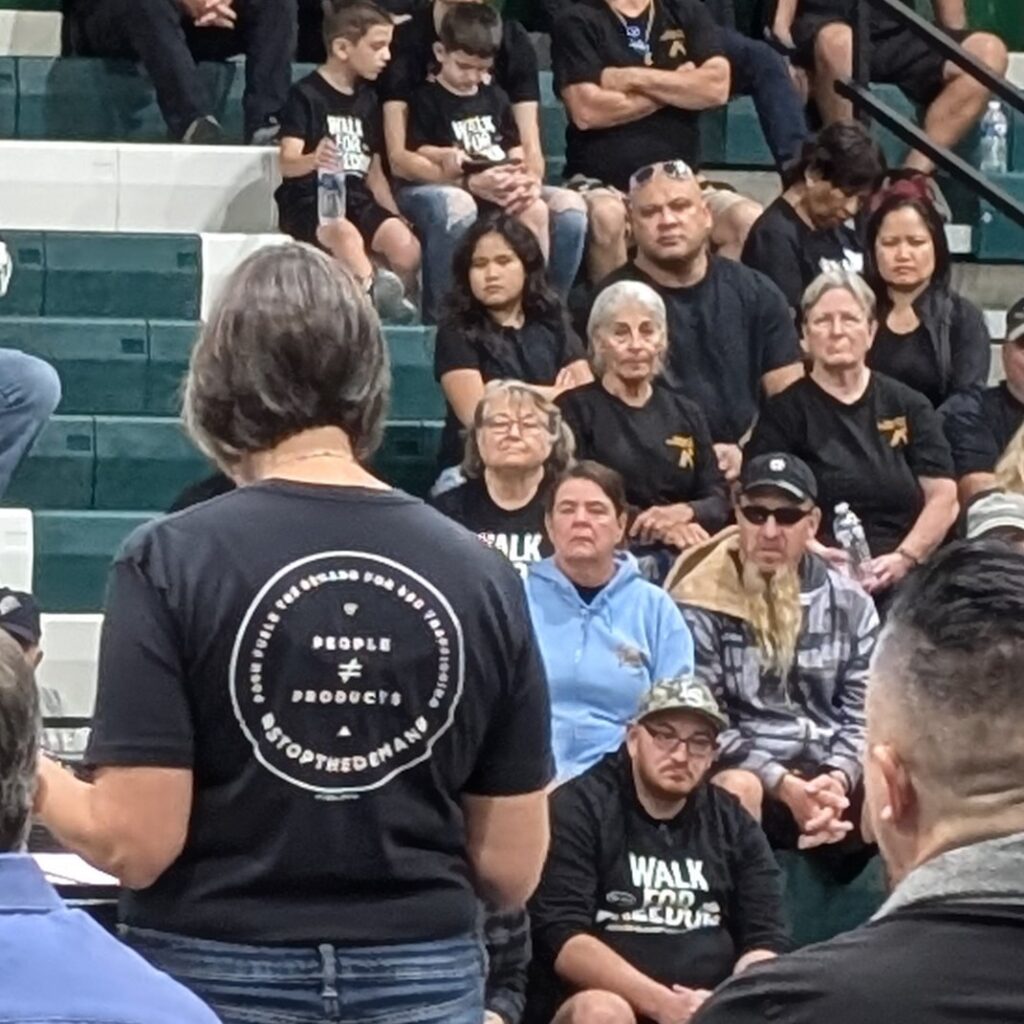
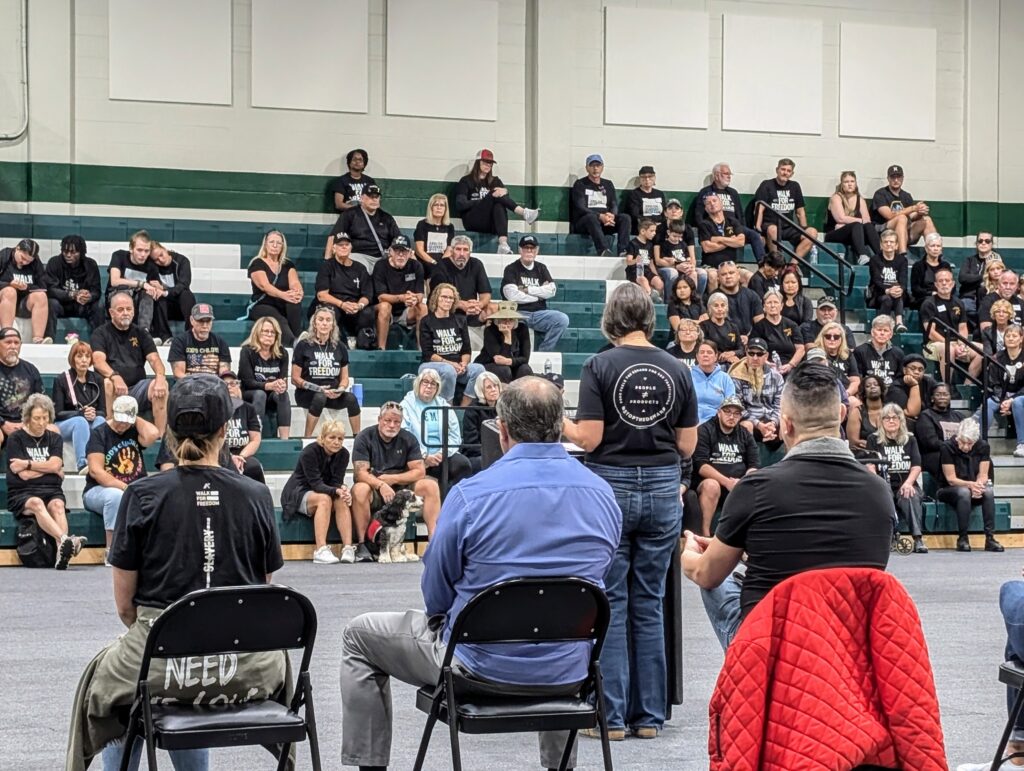
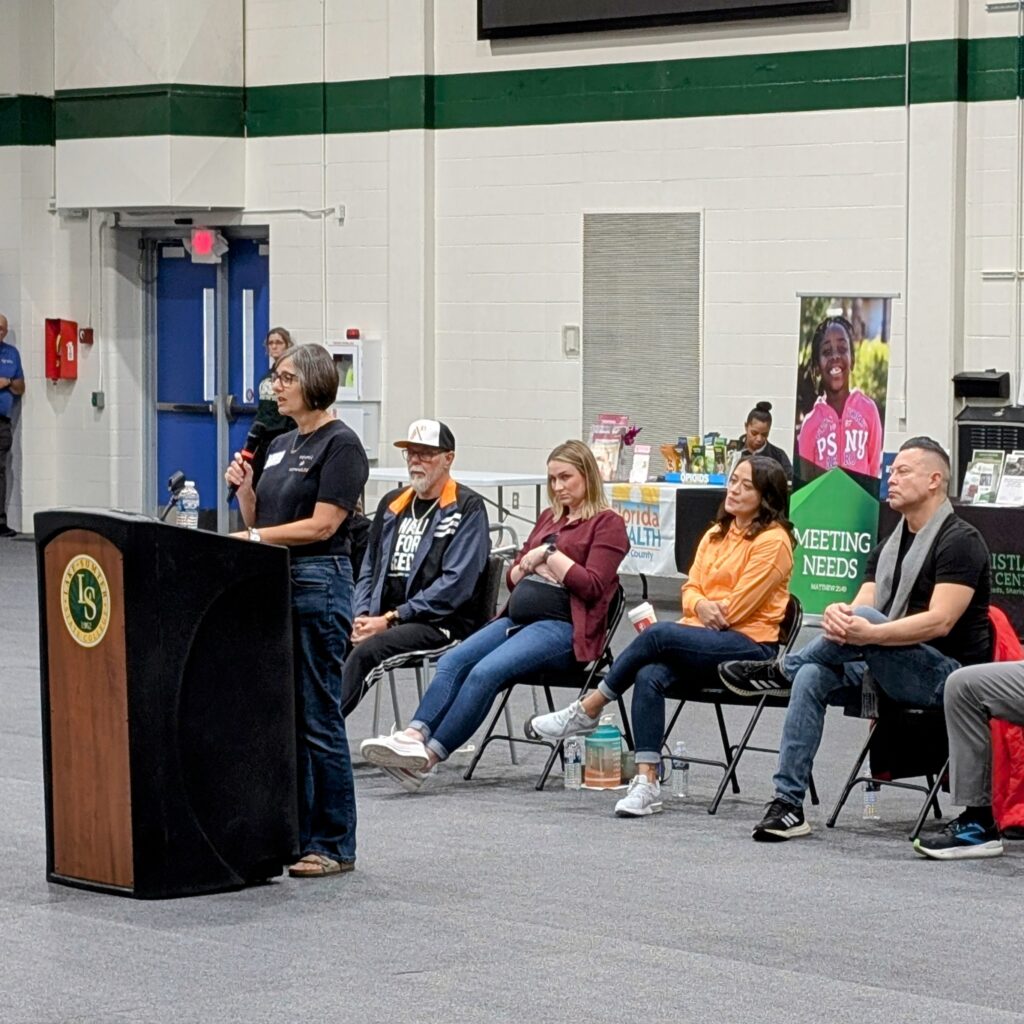
To invite Barb to speak at your organization or event, contact her here.
About the author

Barb Winters is the author of Sexpectations: Helping the Next Generation Navigate Healthy Relationships and founder of Hopeful Mom. She’s a certified mental health coach and offers one-on-one consultations for parents. For more about Barb, click "About" in the menu.